
Real Talk on Autism, Tylenol, MAHA, Vaccines, and Trust
Moving beyond headlines and science or policy debates to real conversations about autism, Tylenol, vaccines, MAHA, and parenting
Hi Community,
Something a little different to share with you today.
Earlier this week, I was invited to join the podcast
to bring a pediatrician’s perspective on the recent White House press conference and headlines about Tylenol, vaccines, and autism. But this was intentionally not a policy debate or a science lecture. Host and incredible co-hosts (, , and ) asked me to join a conversation with Brooke Blanke—a mother of an autistic child who is expecting another baby, describes herself as “moderate to conservative”, and may hold different perspectives on these topics.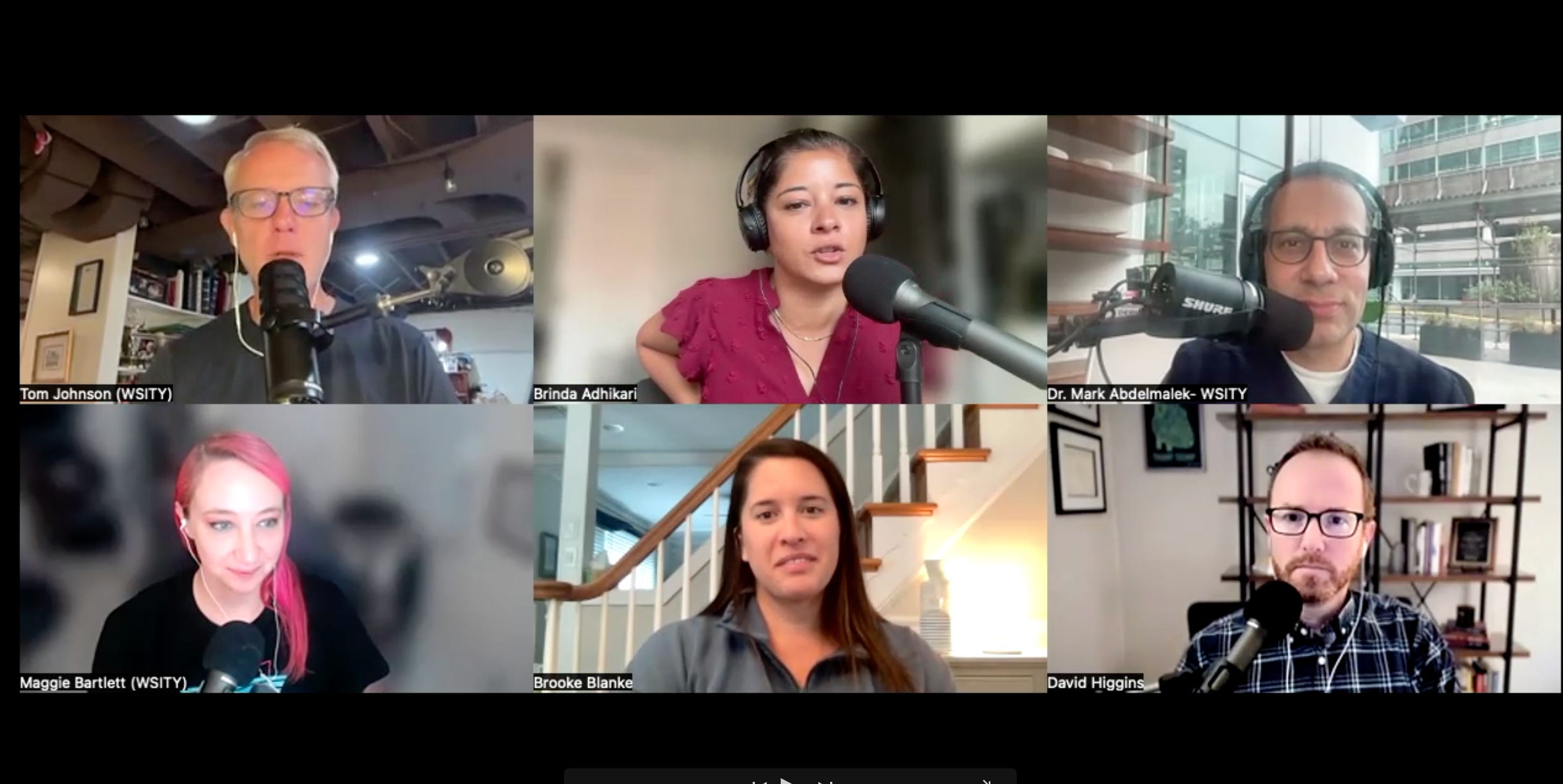
Honestly, I hesitated at first. Live, unscripted dialogue can feel risky, especially when the topics involve autism, pregnancy, and vaccines, issues that ignite strong feelings. It’s easier to craft carefully written words than to engage in real-time conversation, where misunderstandings can easily arise.
But I reminded myself that honest, sometimes messy conversation is exactly what we need to rebuild trust right now. It’s also what I do every day as a pediatrician: meeting families who have all sorts of viewpoints where they are, listening to their concerns, and helping them make hard decisions about their child’s health with credible, if often incomplete, information. As I shared on the episode, this week’s headlines have made our work more complex, but pediatricians will never shy away from these conversations, because our commitment to helping children stay healthy, grow, and thrive is why we chose this profession.
I’m so glad I said yes. Brooke was open, vulnerable, and powerful as she described the joys and challenges of raising an autistic child while preparing to welcome a new baby, and how the week’s news affected her family. Her story was moving and real; I found myself emotional just listening.
Together we explored:
Guilt some mothers of autistic children may feel as new Tylenol–autism headlines circulate.
Relief many in the MAHA movement or families impacted by autism feel that their concerns and voices are being acknowledged.
Reality that autism affects every family and child differently and the challenges with a broad definition of autism.
Confusion and controversy around “cures,” “treatments,” and what those terms mean to different people and families.
Dangers of oversimplifying such complex issues and the illusion of certainty.
We also talked about the risks of claiming—without solid evidence—that common medicines like Tylenol cause autism, reaffirmed the clear evidence that vaccines do not cause autism, and examined experimental treatments such as leucovorin, which may hold promise but carry real risks if promoted through sweeping or blanket recommendations.
But perhaps my most important takeaway from the conversation was this: for Brooke and families like hers, it was “just another Monday night.” The next morning they were back to navigating everyday challenges and fiercely advocating for their four-year-old son’s needs in a broken health system, with nothing new to make life easier.
I hope the conversation showed the importance of speaking with families and those directly affected by autism, and how much is lost when we only speak about them. I’m struck by how many conversations about autism and potential “causes” or “treatments” involve people without direct experience, or those speaking only from their own perspective—often individuals who, by engaging publicly or on social media, are affected in very different ways than many families. It’s a powerful reminder to include the full range of perspectives in these discussions.
I’m so grateful for the chance to learn from Brooke. I left the recording a better pediatrician, researcher, communicator, and parent.
You can listen to the episode here or on your favorite podcast player.
I hope you’ll listen and feel encouraged to step into these conversations.
Thanks, as always, for being part of this community.
-David
Do you like this newsletter?
Then you should subscribe here for FREE to never miss an update and share this with others:
You can also follow me on LinkedIn, Instagram, Substack Notes, and Bluesky.
Community Immunity is a newsletter dedicated to vaccines, policy, and public health, offering clear science and meaningful conversations for health professionals, science communicators, policymakers, and anyone who wants to stay informed. This newsletter is free for everyone, and I want it to be a conversation, not just a broadcast. And if you find this valuable, please help spread the word!
David: I appreciate your respect and your openness to talk with people you may not agree with. It’s all too rare.
Thanks for taking on these conversations. As an ER physician, I see the need to bridge the gap in trust and communication.